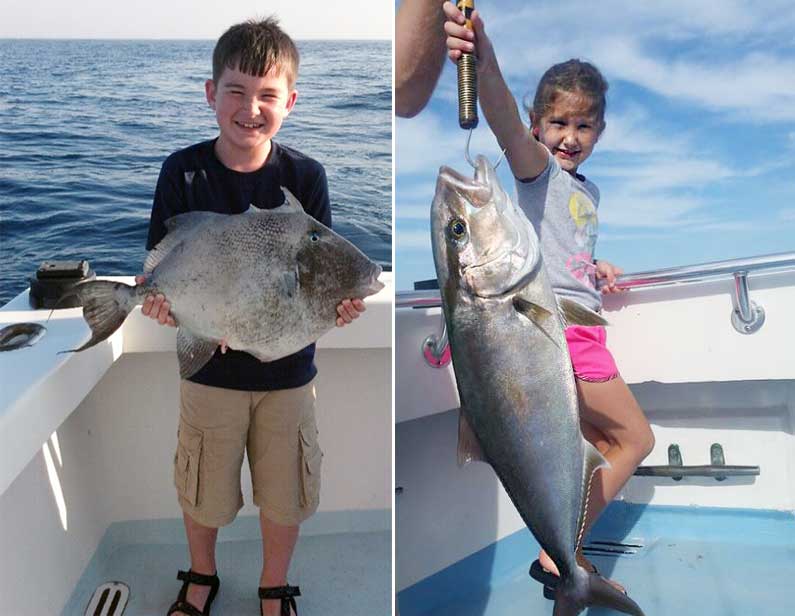
This article contains information on how to catch Yellowfin Tuna. The right lures, baits, and bait can help you catch these massive fish. You can use cedar plugs, poppers, and plastic skirted trolling lures. Live bait that attracts these fish is ballyhoo, skipjacks, and sardines. You can also use frozen bait.
What are the best times to catch yellowfin salmon in florida?
Florida has certain peak fishing times. The best time to catch big yellowfin tuna is in the summer when they migrate offshore. They usually take up residence on the coast to eat sandeels and other fish. Trollers can catch the tuna inshore by searching shallow waters. The best ways to target these big fish include chunking, jigging, or kite fishing. These fish have great sense of smell, and excellent vision so they make the perfect targets for a good hookup.
Mid-February is the best time to catch Yellowfin. This time of year, the fish will migrate to the Gulf of Mexico but they can also be caught around structures. These fish are large and difficult to catch. These fish can be caught using live bait or chunks of tuna. Below are the best times to fish for yellowfin tuna.
Tuna prefer low-light conditions. If you're lucky enough, you can even fish in the middle. This is especially true with blackfin tuna. These fish should be targeted between dawn and dusk. Yellowfin tuna are active at night too, so it is important to be up until late to keep them interested. You will be able to cast to blackfin tuna with a light-weight rod. For fishing in Florida's coast waters, a circle-hook and a 50-pound leader are sufficient for most fish.
The Florida Keys is an excellent place to find a high-quality charter. The state is home to many fishing and salwater ports. Florida's tuna fishing is excellent all year. But the best fishing times are during spring and summer. Before setting out on your fishing adventure, make sure to research regulations and bait. To ensure your success, plan and prepare for your Florida vacation.
Prey of yellowfin Tuna
Yellowfin tuna has a very developed eye sight. They can quickly detect anomalies in the shape of rigs, lines, and baits. In the spring and summer, they tend to stay deeper in the water column. Their time at depth is increased in the winter and fall. Yellowfin tuna can detect changes in baits and rigs, and are able quickly and efficiently respond to them.
The yellowfin tuna's bodies are deep under their first dorsal fins and taper to near the caudal poduncle. Their dorsal fins are very long, but they are only one-third of the body's length. They have seven-ten to ten dorsal filets. They lack pigment in their tails, unlike other species of tuna.
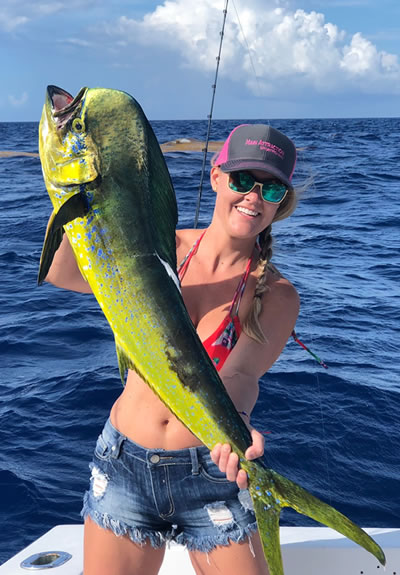
The yellowfin tuna prey includes a variety marine creatures. Their primary diet is made up of fish, crustaceans, and seabirds. Their biggest predators, the toothed whales (and pelagic sharks) are the greatest threat to their survival. They also take in other tunas and other kinds of fish, including dolphinfish, flyingfish, and anchovy.
The Florida yellowfin tuna fishery is decreasing in productivity, but bluefin and brownfin tuna remain abundant. Despite their size, blackfin tuna can still be caught year-round, though spring and summer are the best seasons for catching them. The most productive and efficient fishing spot for beginners is along the coast of Florida. Lady J Sportfishing, New Smyrna Beach, or Maximus Sportfishing, Destin are two options for a Florida fishing adventure. When the weather warms up, Yellowfin are already cruising close to shore and feeding.
While the predators of yellowfin tuna vary, the best spots to find them are offshore near wrecks or reefs. These yellowfin tuna are also known to congregate around floating objects. Birds diving into the water are an excellent indicator of where they are. You can catch them if you use the right techniques and baits. To capture multiple bites, you have to be fast. Be alert!
Attractions
When it comes to fishing for yellowfin tuna in Florida, lures are an excellent choice. Yellowfin tuna are incredibly fast and can be caught with lures that are designed to troll quickly. These fish eat a variety of baitfish such as small mackerel and sand eels. While trollers can be the most efficient way to catch yellowfin Tuna inshore (and they are), you can also use live bait such as herring and skipjack.
Casting out in the waters close to the Loop Current is the best way to catch these huge fish. Yellowfins love brightly-colored lures so it is important to use colorful lures. A yellowfin lure like a popper and jig should be cast to a distance of approximately 80 miles offshore. Yellowfin tuna is 60 to 80 miles from Stuart's coast.
Fishing with a live skipjack under a kite is another popular way to catch tuna. Yellowfin Tuna will be lured to it by keeping the baitfish close to the surface. Although live Skipjack is not the best option for this tactic it can be used to catch giants. Slow trolling, whether it's live Skipjack or Marlin, is an effective way to catch giants.
Flickertails and other jerky-looking fish are attractive to yellowfin tuna. You can also use poppers or other artificial lures. If you're looking to live bait fish in Florida, the Boone Black Magic lure pack might be a good choice. The kit comes with six quaily-baited lures, as well as a mesh bag to protect them. The lures can either be used on their own or attached to spreader bars. The green machine is the best bait for catching fish in Florida. This bait can be tricky to find, but can work miracles.
Bait
It is important to know how to properly rig your livebait if you want to fish for Yellowfin Tuna. It's well-known that the best way to catch Yellowfin Tuna is to rig a small bait above the structure. You should also keep in mind that the bait may attract a bycatch. You might also catch triggers, snappers, snapper, grouper, and other saltwater fish by mistake. The three-way swivel is particularly effective if you are targeting two or more fish at the same time.
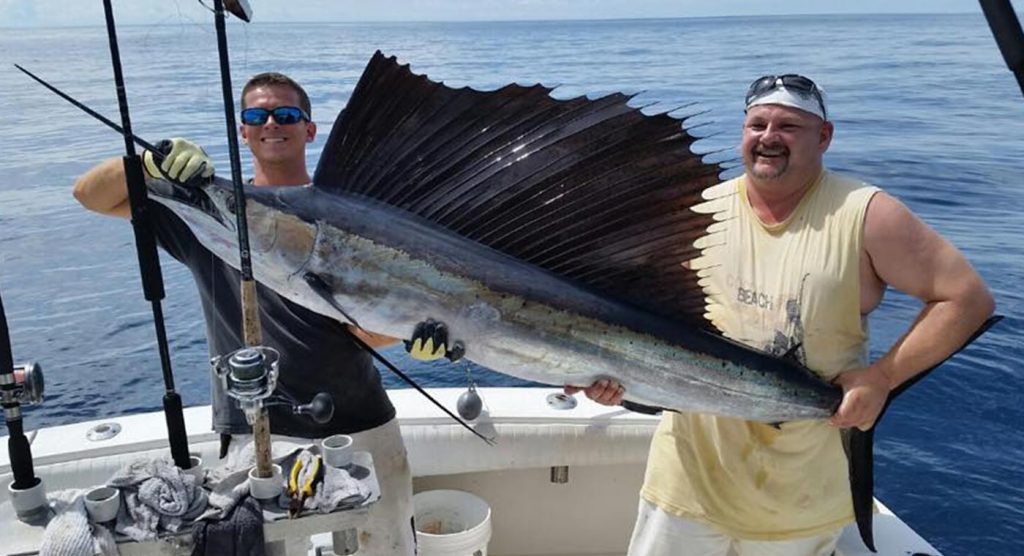
If you're looking for Yellowfin bait, it is important to decide whether you will use live or frozen bait. Skipjack and sardine are excellent live baits. A live bait is great for chunks. A circle hook is a good choice for the latter. It is important that the bait does not drift unnaturally and has enough line. If the fish grabs the chunk immediately, it will fly.
It doesn't matter if you fish for Yellowfin Tuna in Florida, or anywhere else in the world, you need to be familiar with how to properly prepare bait. Yellowfin Tuna are big fish, typically weighing between 40 and 60 pounds. Because of their size, yellowfin tuna are often seen traveling with dolphins. Birds are another way to spot small schools of fish. These magnificent fish can be caught by using the bait.
You should choose yellowfin tuna fishing baits that are suitable for Florida. The species is found in the Indian Ocean, Pacific, Atlantic and Atlantic oceans. However, the Gulf of Mexico provides the best catch. While other species are not regulated, they are not entirely free of rules. While you should make sure that you have the right bait for your yellowfin tuna fishing in Florida, it is advisable to go with a live bait.
Localities
The best place in the Gulf of Mexico for Yellowfin Tuna fishing is off the coast of Florida. Mid-February is the best season to fish for them. This is when they are moving into wider areas. If you are searching for them in a more restricted area, you could target them nearby structures. Here are some top spots to look for them.
The waters surrounding Tampa Bay and Key West are the best areas to fish for yellowfin. These fish are difficult to spot because they feed at the top food chain. The fish will strike brightly colored lures and are often caught using jigging, popping, or other techniques. For these large fish, live bait is a great option. You'll know if you spot small schools of fish.
Yellowfin tuna fishing is possible on the Gulf Coast of Florida. However, you will need to travel further to reach these locations. For bottom fishing of deep-ocean fish species, the Gulf Coast is ideal. The Atlantic coast is best for tuna. People who like drift fishing should consider the Gulf Coast where there is plenty of tuna. However, if you prefer to stay closer to shore, you might consider the Keys, which are well known as the fishing capital of the world.
The best way to get into the deep waters where the tuna are is to head out early in the morning. The tuna will only be active in deep water if a skilled boat captain is able to get there. One pass might bring you a 100-pound Yellowfin tuna. It's a thrilling way to catch Yellowfin.
FAQ
What is the cost of basic fishing gear?
Basic fishing equipment is around $100-$200 for rod/reel combination, bait, tackle box, and so on. If you want to go out on a bigger boat, then you'll need to spend between $500-$1000 dollars.
Where can I find great fishing spots?
There are many places you can fish all around the world. Many people enjoy fishing at public parks, private ponds, lakes, rivers, streams, and other bodies of water.
How far should I go?
Cast your line as deep as possible. Keep your arm straight when casting a line. This will ensure that the line doesn’t twist.
What is the average time it takes to become a professional fisherman?
It takes years of practice to become an expert fisherman. You will be a better fisherman if you learn new techniques and improve your skills.
Which rod should I choose?
Graphite composite is the best rod for fly-fishing. This material has exceptional casting qualities and is strong. You must practice using a graphite rod to learn how to cast better.
How do I clean fish?
There are many different ways to clean a fish. One method is to remove the head. Wash the fish well with cold water. You can also gut the fish yourself. This involves removing the intestines from the fish and cleaning out the cavity. You can also ask another person to clean the fish.
Statistics
- About 40 percent of all fish are freshwater species. (takemefishing.org)
- Coarse fishing is 100% catch and release these days. (linesonthewater.anglingtrust.net)
- To substantiate this theory, Knight attempted a systematic inquiry by considering the timing of 200 'record' catches, more than 90 percent were made during a new moon (when no moon is visible). (myfwc.com)
- Orvis, Simms, and Fishpond have been making some of the best packs and vests for a long time, and it seems like 90% of the anglers around the area use these brands. (troutandsteelhead.net)
External Links
How To
How to tie a fishing lure like a pro
You can make simple fishing lures from different materials or colors by following these steps.
Step 1: Cut two pieces of twine about 3/4 inch wide.
Step 2: Cut one end of the twine in half.
Step 3 Twist each end together.
Step 4 Wrap the end the second twine piece around the first one so the knot is in the loop.
Step 5: Pull the loop tight.
Step 6: Repeat step 4 on the opposite side.
Step 7: Secure the knot with a needle or pin.
Step 8: Remove excess twine.